
Schaumburg Local
Window Sealing and Draft Repair
Stop air leaks, lower energy bills, and get every window sealed right the first time.
Free estimate
Tell us what you need
Three fields. It reaches a person here, not a call centre.
What sealing windows actually fixes
Yes, you can reseal windows without replacing them. Most drafty windows aren't failing because the glass is bad or the frame is rotted. They're leaking because the caulk has dried out, shrunk, or cracked over time. Sealing windows is one of the most cost-effective home repairs you can do, and it's exactly the kind of work The Local Handyman LLC has been handling across the northwest Chicago suburbs since 2016. Call (773) 444-7153 to schedule an inspection.
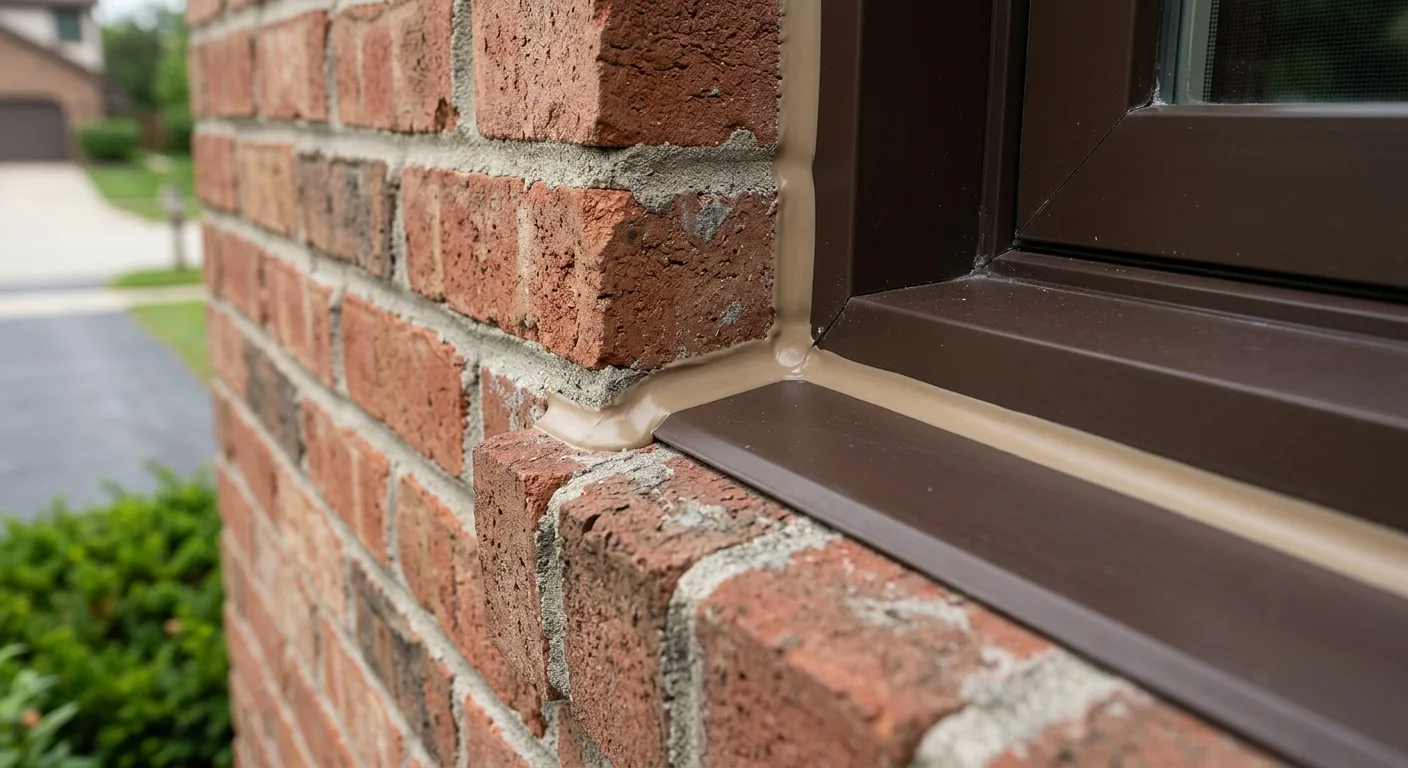
The right approach depends on where the leak is. Gaps between the frame and the wall take caulk. Moving parts like sashes and the space between the sash and frame take weatherstripping. Some windows need both. We inspect the full perimeter before we touch anything. Silicone caulk is generally the better choice over latex for exterior applications because it stays flexible through freeze-thaw cycles without cracking. Interior applications sometimes call for paintable latex. We use the right product for each location, not one tube for everything. Cost varies based on the number of windows, how many stories, and whether the existing sealant has to be fully stripped first. Every job is different. Contact The Local Handyman LLC for an accurate estimate.
Common Causes
What breaks down around a window over time
Cracked or Shrunken Caulk
Caulk contracts in cold weather and eventually pulls away from the frame. A gap you can barely see can still let in a significant airflow. It's one of the first things we check.
Worn Weatherstripping
The foam or rubber strip along the sash compresses over years of opening and closing. Once it's flattened, it doesn't seal. You'll feel the draft most at the sides and top of a double-hung window.
Failed Glazing Compound
On older single-pane windows, the glazing compound around the glass itself can crack and chip. That's a different repair than caulking the frame, and skipping it leaves the glass loose in the sash.
Gaps at the Rough Opening
Sometimes the gap isn't at the window at all. It's behind the trim, between the frame and the structural opening. Fixing the visible bead won't help until you seal what's underneath.
Our Process
How we seal a window from start to finish
We don't just run a bead of caulk and leave. Here's the actual sequence.
- 01
Inspect First
We check every side of every window you want addressed, including the interior trim, exterior frame, and glazing. You need to know what's actually leaking before you spend money sealing the wrong thing.
- 02
Prep the Surface
Old caulk gets removed. Surfaces get cleaned and dried. Caulk applied over failed caulk fails fast. This step takes longer than the application, and it's where most DIY jobs fall short.
- 03
Apply and Finish
We apply the right sealant for each location, tool the bead smooth, and let it cure properly. Weatherstripping gets cut to fit and pressed into place without gaps at the corners.
Silicone or caulk: which one your windows actually need
The Case For Acting
Why this repair is worth doing now
- 01
Moisture Gets In
Air leaks carry humidity. Over months, that moisture works into the wall framing around the window. What starts as a draft becomes a drywall repair or a rot problem. Sealing it now costs a fraction of fixing it later.
- 02
Heating Bills Stay High
A single poorly sealed window on the north side of a house can measurably affect your utility bills through a Chicago winter. It's not dramatic, but it's real and it compounds every month you leave it.
- 03
The Opening Gets Larger
A crack in caulk widens with every freeze-thaw cycle. A gap that was barely noticeable in October is a real problem by February. The repair is simpler and cheaper when we catch it early.
Scope
What the work covers on a typical job
- 01
Full perimeter inspection before any product goes on
- 02
Removal and disposal of old caulk and failed weatherstripping
- 03
Surface cleaning and drying to ensure proper adhesion
- 04
Application of the correct sealant product for each joint type
- 05
Weatherstripping replacement where the sash seal has failed
- 06
Final check on every window addressed before we leave
Window sealing across the northwest suburbs
The Local Handyman LLC has been sealing windows for homeowners across the northwest Chicago suburbs since 2016. We serve all of the following communities and more.
- Hoffman Estates
- Palatine
- Rolling Meadows
- Arlington Heights
- Elk Grove Village
- Roselle
- Streamwood
- Hanover Park
- Carol Stream
- Bartlett
- Bloomingdale
- Addison
- Des Plaines
- Mount Prospect
- Buffalo Grove
- Wheeling
- Park Ridge
Questions about window sealing
Can you reseal windows without replacing them?
Should I use silicone or caulk to seal windows?
How long does window sealant last before it needs to be redone?
Is resealing windows worth it for older single-pane windows?
What's the difference between caulking a window and weatherstripping it?
Can wet or cold weather affect when windows get sealed?
Ready to stop the drafts?
The Local Handyman LLC has been sealing windows and handling home repairs across the northwest Chicago suburbs since 2016. Call to schedule.